
The gig economy in India , especially the explosive rise of quick-commerce platforms like Blinkit, Zepto, and Instamart , has triggered an intense national debate in early 2026. Nationwide strikes by gig workers on December 25 and 31, 2025, demanding better pay, safety, social security, and relief from the pressure of 10-minute deliveries, brought these tensions into sharp focus.
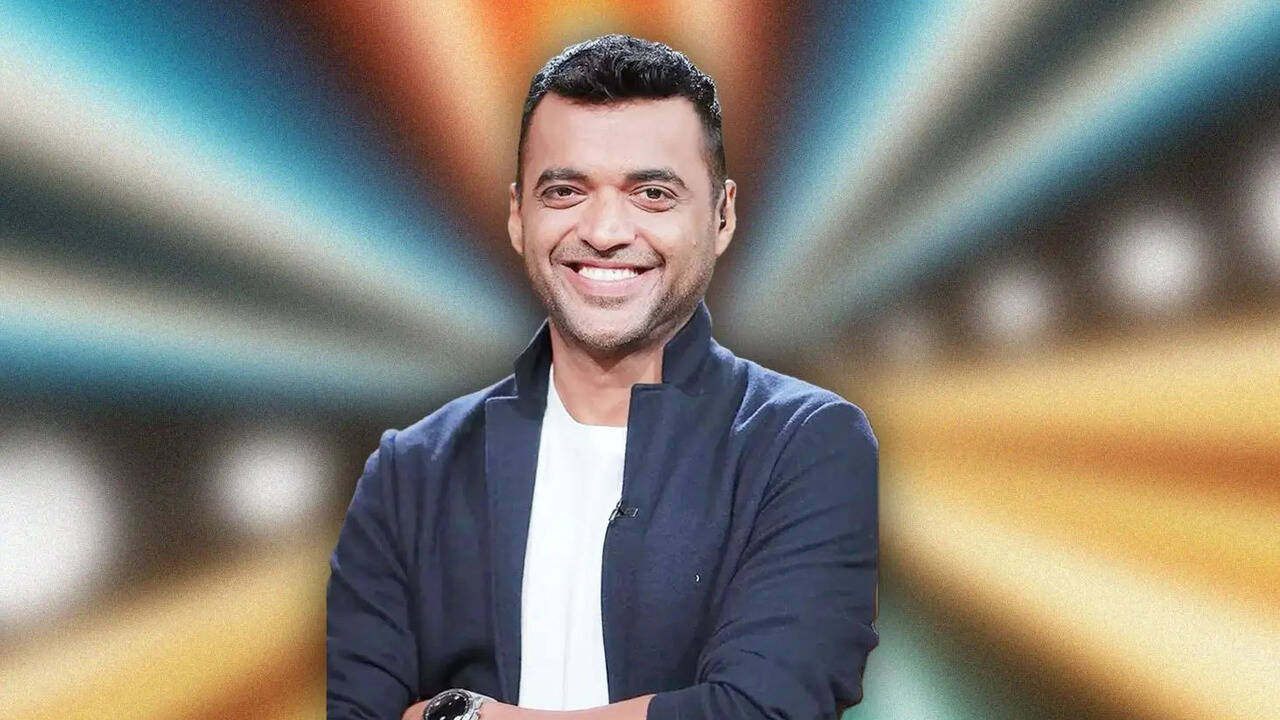
At the centre of the storm is Zomato CEO Deepinder Goyal, who has emerged as one of the strongest public defenders of the gig-work model , not just on economic grounds, but on moral and societal ones.
Delivery partners today brave extreme heat, rain, traffic, and long hours to fuel this convenience economy. Their visibility , once rare , has become unavoidable.
Goyal’s deeper argument: visibility, guilt, and inequality
In a long and unusually reflective post on X, Goyal went beyond logistics and profits, framing the gig economy as a social mirror.
For centuries, he wrote, class divides kept the labour of the poor invisible to the rich. Factory workers stayed behind walls, farmers in distant fields, domestic workers in backrooms. Consumption came without confrontation , and without guilt.
Last one on this topic, and I have been holding this in myself for a while.For centuries, class divides kept the labor of the poor invisible to the rich. Factory workers toiled behind walls, farmers in distant fields, domestic help in backrooms. The wealthy consumed the fruits…
— Deepinder Goyal (@deepigoyal) January 2, 2026
The gig economy, he said, shattered that invisibility at an unprecedented scale.
Today, the working class appears directly at the consumer’s doorstep , handing over a ₹1,000 biryani, late-night groceries, or quick-commerce essentials. Consumers see delivery partners in the rain, heat, and traffic, often on borrowed bikes, working 8–10 hours for earnings that barely cover sustenance after fuel, rentals, and platform costs.
This, Goyal argued, is the first time in history that the consuming class and working class interact face-to-face at such scale, transaction after transaction.
And that discomfort, he suggested, lies at the heart of the backlash.
The debate, in his view, is not just about wages or algorithms , it is about guilt. When an ₹800 order equals a delivery partner’s entire day’s earnings, inequality stops being abstract. People tip awkwardly, avoid eye contact, or look away because the moral distance has collapsed.
Record deliveries despite strikes
On January 1, 2026, Goyal announced that Zomato and Blinkit clocked an all-time high on New Year’s Eve, delivering over 75 lakh orders to more than 63 lakh customers despite strike calls. He credited the “overwhelming majority” of delivery partners for showing up, while thanking law enforcement for containing disruptions caused by what he described as a “small number of miscreants.”
Goyal reiterated that delivery partners are covered by insurance, must have valid licences and background checks, and face no penalties for delays.
Defending the 10-minute delivery model, he said it relies on dense dark-store networks, ultra-fast in-store packing (around 2.5 minutes), and short average delivery distances of under 2 km , not reckless riding. Riders, he added, do not even see the customer’s promised delivery time on their app.
If the system were “fundamentally unfair,” Goyal argued, it would not continue to attract and retain millions of workers. For many, gig work is a temporary bridge , a few months of income , making these platforms one of India’s largest engines of organised employment.
The uncomfortable warning
Goyal pushed back strongly against what he called “clumsy solutions” , blanket bans or excessive regulation of gig work.
Ban gig platforms, he warned, and livelihoods do not magically transform into secure formal jobs. They disappear, or are pushed back into the informal economy , where protections are fewer, accountability weaker, and dignity not even discussed.
Over-regulate until the model breaks, he argued, and the result is the same: work evaporates, prices rise, demand collapses, and the very workers being “protected” lose income first.
The real, unspoken outcome, he suggested, is a return to invisibility.
The wealthy regain comfort. Convenience returns without faces. Guilt dissolves. Labour slips back into backrooms and cash economies , out of sight, out of mind.
A polarised debate
Critics, including politicians like Raghav Chadha and many on social media, argue the model borders on exploitation , citing unstable incomes, algorithmic pressure, and inadequate long-term security. They question whether ultra-fast delivery can ever be compatible with safety and dignity.
Goyal remains firm. The system, he says, is imperfect but evolving, transparent, and chosen by millions over traditional alternatives.
As India moves deeper into 2026, the gig economy is no longer just an economic story. It has become a moral reckoning , forcing society to confront inequalities that were once easier to ignore.
