
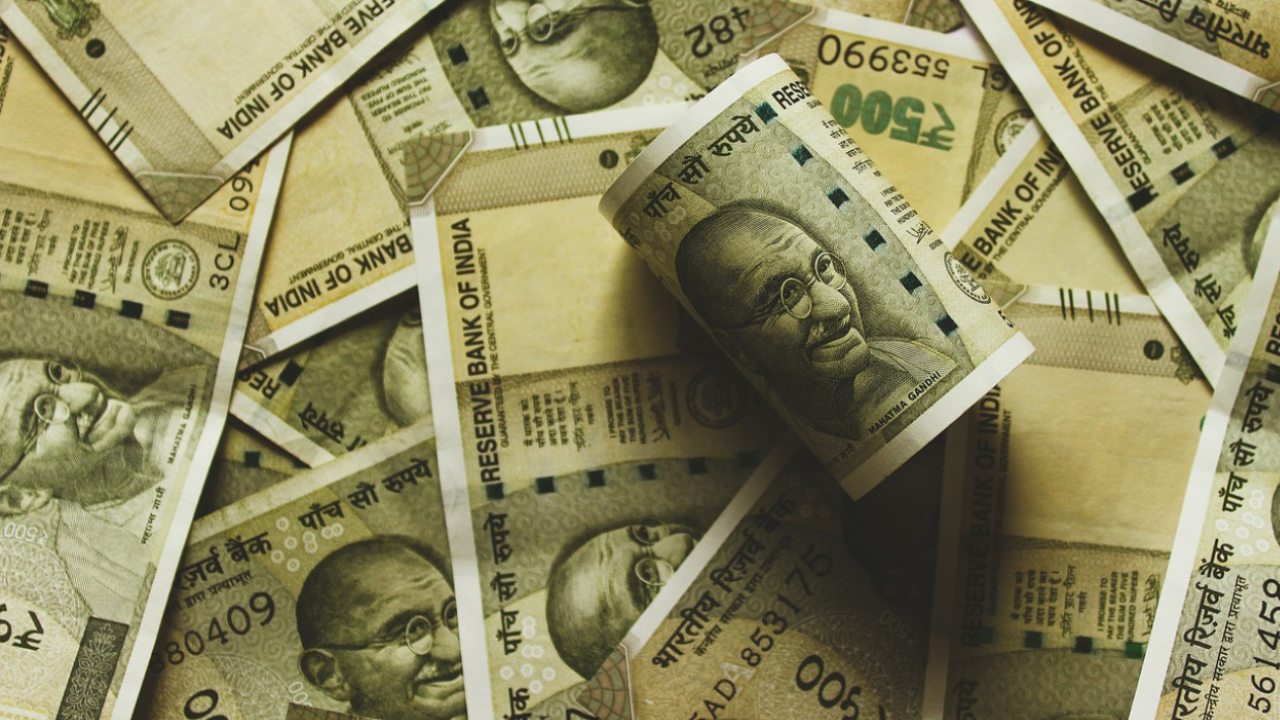
India could soon take a major step towards modernising its currency system, with polymer-based banknotes likely to be introduced on a trial basis from next year. The Reserve Bank of India (RBI) has reportedly begun preparations for a pilot project by inviting global manufacturers to supply specialised polymer substrates required for printing the new notes.
According to official sources cited by ANI, the RBI is planning to initially test polymer banknotes in the Rs 10 and Rs 20 denominations. The results of these field trials will determine whether the central bank proceeds with a nationwide rollout. If the pilot proves successful, wider circulation of polymer notes could begin.
The move marks the first concrete step towards evaluating whether polymer currency can replace conventional paper banknotes in India.
RBI Invites Global Suppliers For Pilot Project
To facilitate the proposed trial, Bharatiya Reserve Bank Note Mudran Private Limited (BRBNMPL), the RBI’s currency-printing arm, has invited manufacturers across the world to participate through a Global Expression of Interest (EOI), ANI reported.
The tender seeks suppliers capable of providing opacified polymer substrate sheets made from Biaxially Oriented Polypropylene (BOPP), complete with built-in security features designed for Indian banknotes.
As per the EOI, BRBNMPL intends to procure around 68,000 reams of polymer substrate, equally divided between two denominations. Each ream will contain 500 sheets. The material must incorporate multiple security elements, including a clear portrait window, metallic numeral, magnetic pseudo thread, shadow image and iridescent pattern. These substrates should be compatible with printing facilities operated by both BRBNMPL and the Security Printing and Minting Corporation of India (SPMCIL).
Strict Security Rules For Bidders
The procurement process comes with extensive security-related eligibility conditions.
Companies participating in the tender must ensure that any operations in China or Pakistan remain completely segregated from work related to the Indian project. They are also prohibited from sourcing raw materials from either country or assigning personnel who have previously worked in China or Pakistan to this assignment.
Additionally, companies based in countries sharing a land border with India will only qualify if they are registered with the Department for Promotion of Industry and Internal Trade (DPIIT) Registration Committee.
Experience, Testing And Certification Mandatory
The RBI has also laid down technical eligibility requirements for prospective suppliers. According to ANI, applicants must have a minimum of three years’ experience in supplying polymer substrates with embedded security features to a central bank or an organisation involved in banknote printing. They should also be capable of supplying at least 20,400 reams—equivalent to 30 per cent of the proposed procurement quantity.
Interested companies must submit polymer sheet samples for laboratory evaluation. They are also required to certify that the material supplied is free from animal tallow and DNA content.
Although the RBI has not formally confirmed the denominations that will be used during the pilot, RBI Governor Sanjay Malhotra had stated after the June monetary policy meeting that a proposal regarding polymer banknotes was under consideration.
Polymer banknotes were first introduced in Australia in 1988 and are now in circulation across more than 50 countries. Compared with traditional paper notes, they generally last longer, offer stronger protection against counterfeiting and can lower replacement costs over time. Their extended lifespan may also reduce environmental impact by decreasing the frequency of reprinting.
