
US President Donald Trump has warned that he could postpone a planned summit with Chinese leader Xi Jinping if Beijing does not assist in securing the strategically vital Strait of Hormuz, amid escalating tensions linked to the ongoing conflict involving the US, Israel and Iran.
In an interview with the Financial Times, Trump emphasised that China — one of the largest consumers of Middle Eastern oil — should help ensure that shipping routes through the strait remain open. The waterway is a critical artery for global energy trade, with roughly one-fifth of the world’s oil supply passing through it.
“It’s only appropriate that countries benefiting from the strait help ensure nothing bad happens there,” Trump said, urging Beijing to join international efforts to safeguard the passage and prevent disruptions to global oil flows.
The US president’s remarks come as tensions in the region threaten energy infrastructure and shipping routes, driving oil prices higher and raising concerns across global markets.
China has not formally responded to Trump’s request. However, commentary in the state-run Global Times dismissed the proposal, describing it as an attempt by Washington to spread the risks of a conflict that the US initiated and is struggling to control.
At a regular press briefing in Beijing, Chinese Foreign Ministry spokesperson Lin Jian avoided directly addressing the idea of sending Chinese ships to the strait, though he confirmed that communication between Beijing and Washington regarding a potential summit remains ongoing.
Trump’s warning comes as trade officials from both countries hold meetings in Paris aimed at preparing for a possible summit between the two leaders. The US has also reportedly discussed securing the waterway with allies including the UK, Japan and South Korea, though many nations remain cautious about deploying military resources to an active conflict zone.
Analysts say China has little incentive to become militarily involved in the crisis. Wu Xinbo, director of the Center for American Studies at Fudan University in Shanghai, said Beijing is unlikely to send naval forces to the region.
“That’s his war, not our war,” Wu said, adding that China would be reluctant to join US-led efforts that could escalate tensions with Iran, a key diplomatic and energy partner for Beijing.
China has already criticised Washington’s military campaign against Iran, while maintaining that it prefers diplomatic solutions to regional conflicts.
While China relies heavily on oil transported through the Strait of Hormuz, analysts note that Beijing maintains significant strategic oil reserves and may not feel immediate pressure to intervene militarily.
Experts suggest China may instead try to play a diplomatic role. Yun Sun, director of the China Program at the Stimson Center, said Beijing could potentially mediate by urging Iran to keep the strait open while pushing Washington and its allies toward negotiations.
“The Chinese are more likely to engage diplomatically rather than militarily,” Sun said. “They could ask Iran to keep the waterway open, but it would require concessions from both sides.”
The standoff highlights the growing geopolitical tensions between the world’s two largest economies, with energy security, trade negotiations and regional conflicts increasingly intertwined.
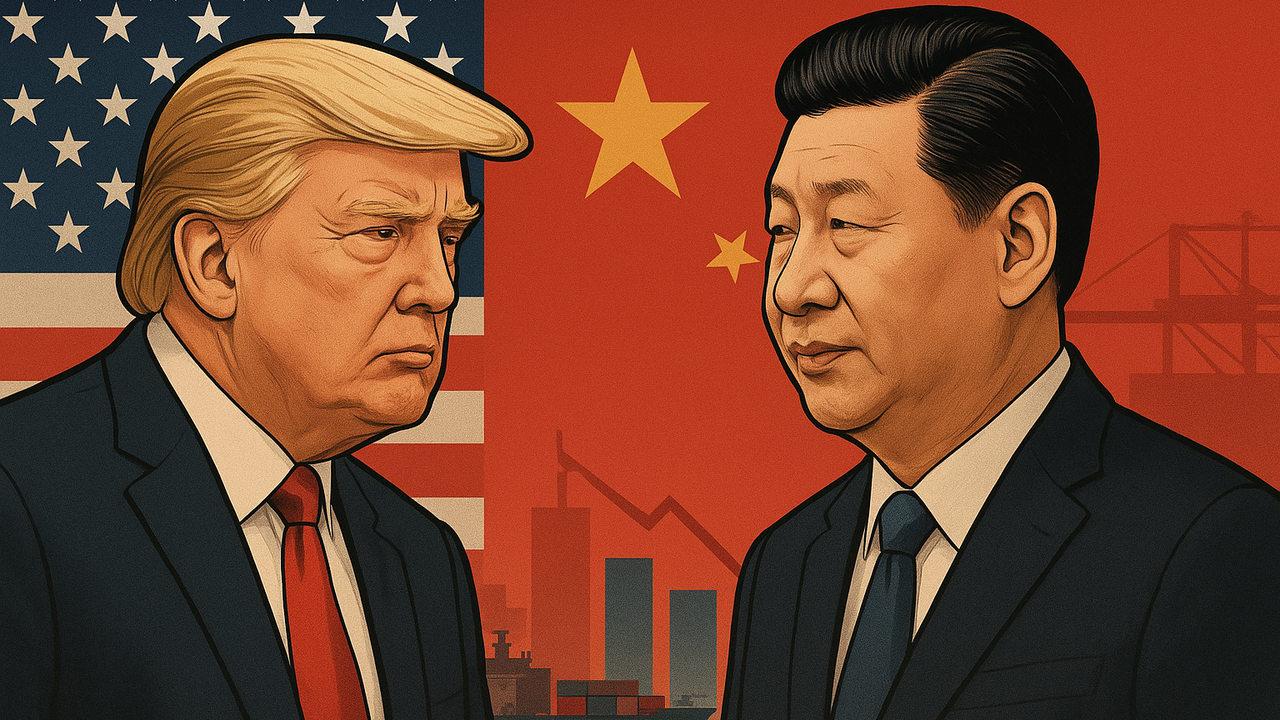
Trump Threatens to Delay Xi Summit Unless China Helps Secure Hormuz
previous post
