
Both the Nifty and the Sensex began the trading day on a weak note. The Nifty declined over 150 points and opened at 22,678.00 and the Sensex slumped over 700 points and opened at 73,253.44. The Indian rupee opened at 95.02 to the dollar versus Tuesday’s close of 95.12 to the dollar. Crude oil prices have spiked once again after the latest attack on the Saudi Arabian refinery sparked fresh supply concerns, Brent crude prices traded at 115 dollars per barrel (at the time of filing this copy).
As per latest reports, Houthis hit Saudi Arabia’s biggest oil refinery with a missile, intensifying their strikes. Saudi authorities did not immediately confirm the strike as per Reuters.
Business Economist and Managing Partner Talk The Walk LLP, Sanchita Mukherji told Times Now Digital, “in my view, a significant part of the pain in Indian equities is already reflected in market valuations, and the risk-reward equation is beginning to look more balanced. However, a durable recovery will require some moderation in crude oil prices, greater stability in the rupee and an easing of global uncertainty. FII selling appears to be losing some of its earlier intensity, but the return of foreign capital cannot be driven by valuations alone. India will need to demonstrate that its corporate earnings growth can outperform competing emerging markets. The next two quarters will therefore be critical in establishing whether earnings delivery can provide the foundation for a sustained market recovery. Until then, markets may remain range-bound and volatile, but I would distinguish this consolidation from a structural deterioration in India’s economic story.”
“Globally, the AI trade is becoming more vulnerable to valuation pressures and the rising cost of capital, even as underlying demand for AI infrastructure remains strong. I do not see this necessarily as the end of the AI cycle, but rather a phase of sharper differentiation between companies that can justify their valuations through earnings and those that cannot. India’s market has a different composition, with its investment case resting more on domestic consumption, financial services, infrastructure, manufacturing and the broader formalisation of the economy. This is where our reverse AI trade perspective becomes relevant: India may not capture the same upside during a technology-led global rally, but its medium-term opportunity is not dependent on that trade alone. With oil prices elevated (Houthis claim an attack yesterday on Saudi Arabia’s biggest refinery) and global interest rates a potential headwind, prudence remains essential. The Federal Reserve’s policy signals and the trajectory of energy-driven inflation will be important global triggers. Ultimately, my constructive view on Indian equities rests on earnings recovery, economic resilience and the ability of businesses to deliver sustainable growth- not on the assumption that foreign investors will return simply because markets have corrected,” Sanchita Mukherji said.
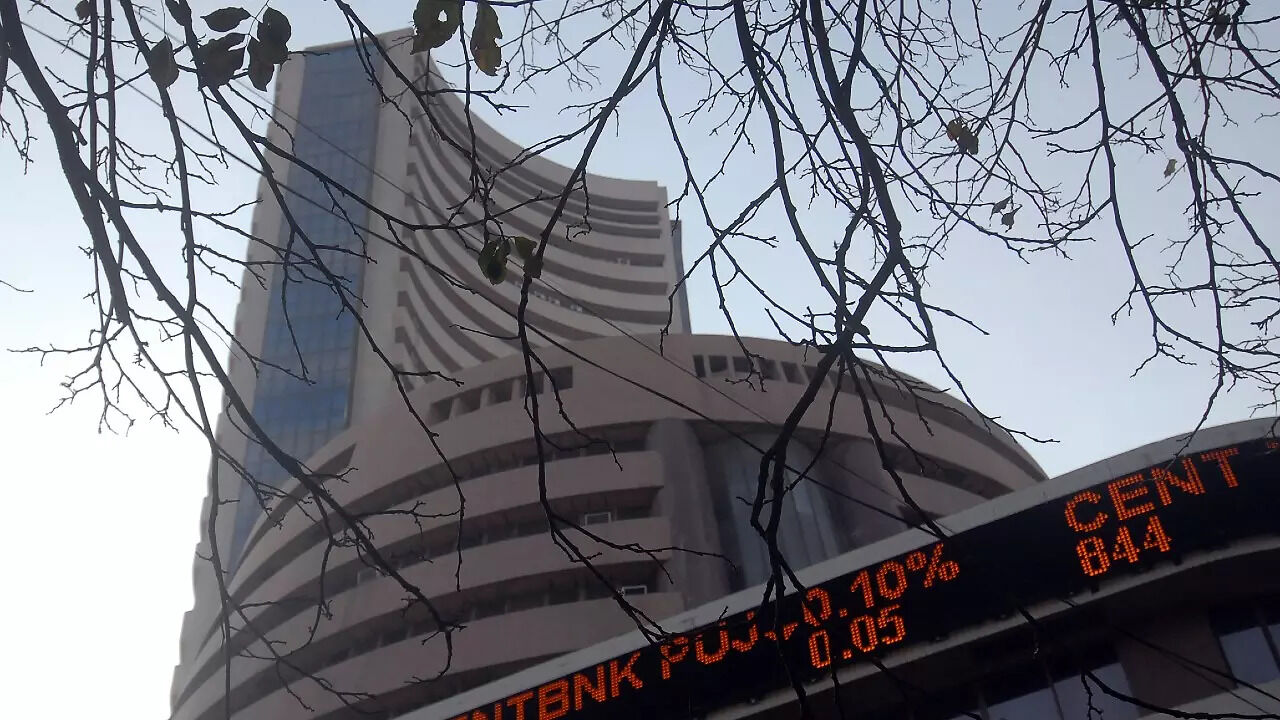
Stock Market Today (October 28): Sensex Slumps Over 700 Points, Nifty Falls As Oil Prices Surge Amid Geopolitical Tensions
