
Air India Express Chairman Nipun Aggarwal in an exclusive conversation with Times Now and said the fuel surcharge imposed by airline remains only a symbolic component of ticket prices and has not been enough to recover the impact of the sharp spike in aviation fuel costs earlier this year, even as it expects airfares to gradually stabilise with cooling oil prices and improving market conditions.
Responding to questions on when passengers could expect a complete rollback of the fuel surcharge introduced amid the West Asia crisis, the Air India Express Chairman Nipun Aggarwal said the surcharge had already been reduced following a correction in fuel prices.
“Fuel surcharge is symbolic. It’s a very small proportion of the overall fare. We have already reduced the fuel surcharge across markets with the fuel price correction.”
The Chairman, however, said fares have not risen in line with the increase in fuel costs, leaving carriers unable to fully recover the impact of the oil price surge.
“But the airfares have not gone up as much as the fuel price. If you see our fares today, we are still not recovering the full impact of the spike in the oil price that we saw in the first quarter of this year.”
He added that ticket prices are expected to become more stable as fuel prices soften and supply-demand dynamics improve.
“So as the oil price cools down, as things normalize, as demand recovers and supply recovers, the fares will keep stabilizing and keep improving from here on. And that should be good for the customer, that should be good for the industry. And that is what we would hope and pray for, Aggarwal added.”
The comments come as airlines continue to navigate the aftermath of disruptions caused by tensions in West Asia, which led to higher operating costs due to longer flight paths and elevated aviation turbine fuel prices.
Air India Express Chairman Nipun Aggarwal reiterated its aggressive fleet expansion plans, saying less than 10 per cent of its aircraft order book has been delivered so far.
“The balance deliveries will start from later part of this year, and every year we should be getting 40 to 50 aircraft for the next seven to eight years.”
The Chairman said it is strengthening its operational capabilities to absorb the incoming capacity, which it views as key to modernising the carrier and improving customer experience and profitability.
Aggarwal also reaffirmed its focus on the Middle East, describing the region as its “home market”.
The airline, which has expanded from 25 aircraft before privatisation to 100 aircraft today, said it aims to connect more cities across India including Lucknow, Indore, Guwahati and Navi Mumbai to destinations in the Gulf.
“Our aspiration is to connect all parts of India to the region, Nipun Aggarwal said.”
Pitching its offering to customers, the airline said it is positioning itself as a premium-value carrier rather than competing directly with either low-cost or full-service airlines.
“We are providing a great product. We are not competing with LCC, we are not competing with FSC. We are providing a premium product, a premium experience. And that is why customers should choose us.”
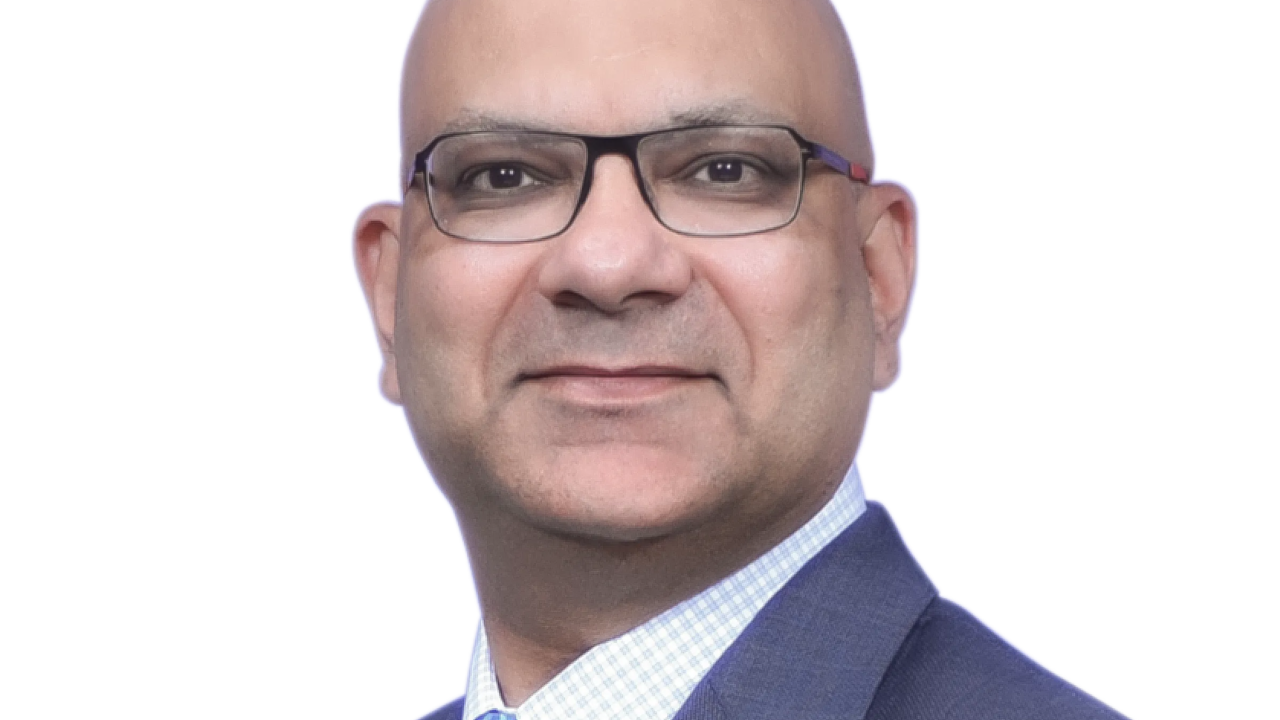
Fuel Surcharge Not Enough to Offset Oil Price Spike; Fares to Stabilise As Costs Ease, says Air India Express Chairman
