
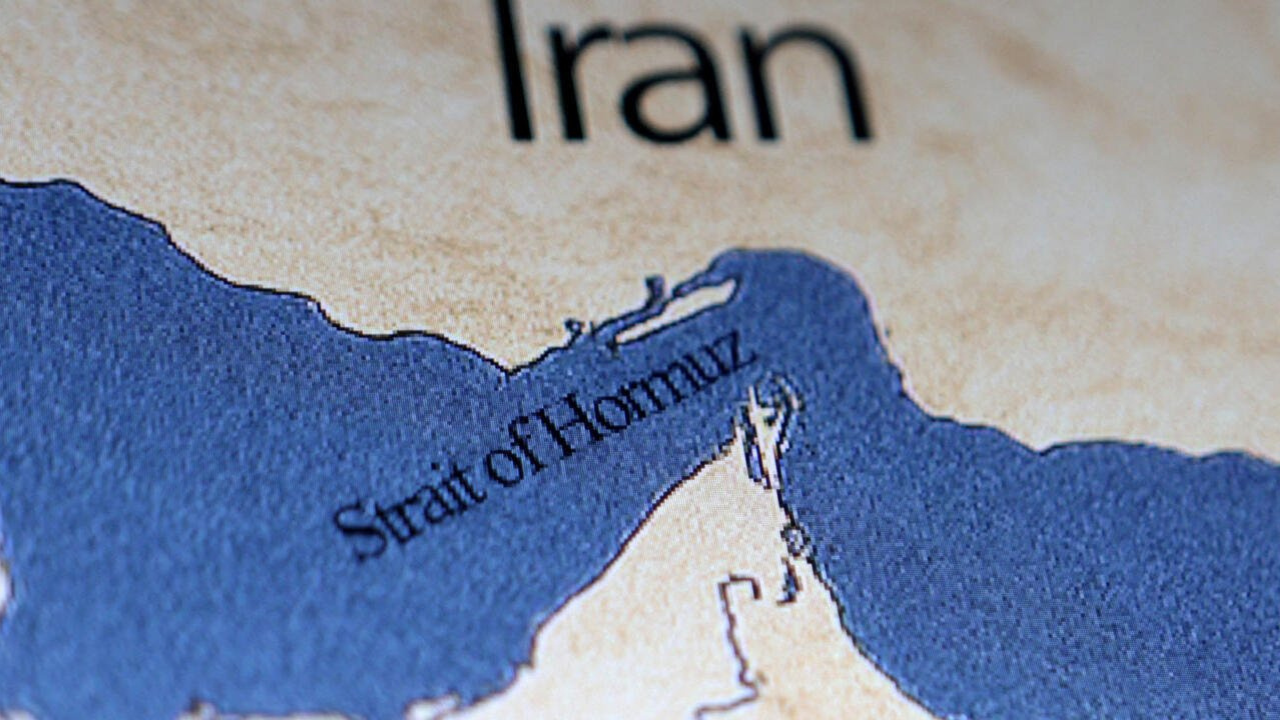
The United Nations has raised alarm over the potential global economic fallout if the Strait of Hormuz is closed amid escalating tensions in West Asia. The warning comes as the region faces heightened military confrontation following strikes involving the United States, Israel, and Iran. A new assessment from the United Nations Conference on Trade and Development (UNCTAD) highlights how disruptions in this critical maritime corridor could ripple through global trade networks, pushing up energy, transport and food prices while worsening the cost-of-living crisis in many parts of the globe.
Why Strait Of Hormuz So Important
The Strait of Hormuz is one of the world’s most strategically important shipping lanes. A major share of the world’s oil and gas supplies travels through this narrow passage connecting the Persian Gulf with international waters. According to UNCTAD data, roughly 20 million barrels of oil per day, accounting for about 25 per cent of global seaborne oil trade, moved through the strait in 2024. Of this, crude oil and condensate represented 14 million barrels per day, while petroleum products made up around 6 million barrels daily.
Data from the period before the latest escalation also showed the scale of dependence on this waterway. About 38 per cent of global seaborne crude oil trade, 29 per cent of liquefied petroleum gas trade, and 19 per cent each of liquefied natural gas and refined oil products passed through the strait.
“The resulting ripple effects go far beyond the region, affecting energy markets, maritime transport and global supply chains,” the report said.
Shipping Disruptions Raise Economic Concerns
UNCTAD’s analysis suggests that recent military tensions have already begun affecting shipping activity in the area. Since February 28, when the first strikes against Iran were launched by the US and Israel, ship traffic through the Strait of Hormuz has reportedly fallen by 97 per cent.
This disruption could have broad economic consequences, particularly because the waterway is also a major route for fertiliser shipments. Around one-third of the global seaborne fertiliser trade, or roughly 16 million tonnes annually, passes through the strait. “Higher energy, fertiliser and transport costs – including freight rates, bunker fuel prices and insurance premiums – may increase food costs and intensify cost-of-living pressures, particularly for the most vulnerable,” the report said.
Asia Faces The Greatest Energy Supply Risk
The impact of any prolonged disruption is expected to be felt most strongly in Asia, which relies heavily on energy shipments through the Strait of Hormuz. In 2024, about 84 per cent of the 14.3 million barrels of crude oil per day transported through the strait were destined for Asian markets, while only 16 per cent went to Europe and other regions.
Similarly, nearly 83 per cent of the 10.4 billion cubic feet of liquefied natural gas shipped daily through the waterway was bound for Asia.
UN Secretary-General António Guterres’s spokesperson Stéphane Dujarric said the UNCTAD analysis highlights “significant risks to global trade and development”.
Developing Economies Could Face Greater Pressure
The UN agency warned that the consequences may be especially severe for developing countries that are already grappling with high debt levels and limited fiscal flexibility. “Economic impacts, both globally and for the region, will depend on the duration, intensity and geographic scope of the tensions. Continued monitoring is essential to assess evolving risks and their potential impacts,” UNCTAD said.
“When oil prices go up, food prices often go up. When gas prices go up, fertiliser prices often go up,” it said. The report added that many developing economies already face constrained access to finance and heavy debt servicing burdens. In such a situation, rising energy and food costs could further strain public finances and household budgets.
“The current shock comes at a time when many developing economies struggle to service their debt, face a tightening of fiscal space and limited capacity to absorb new price shocks,” it notes.
