
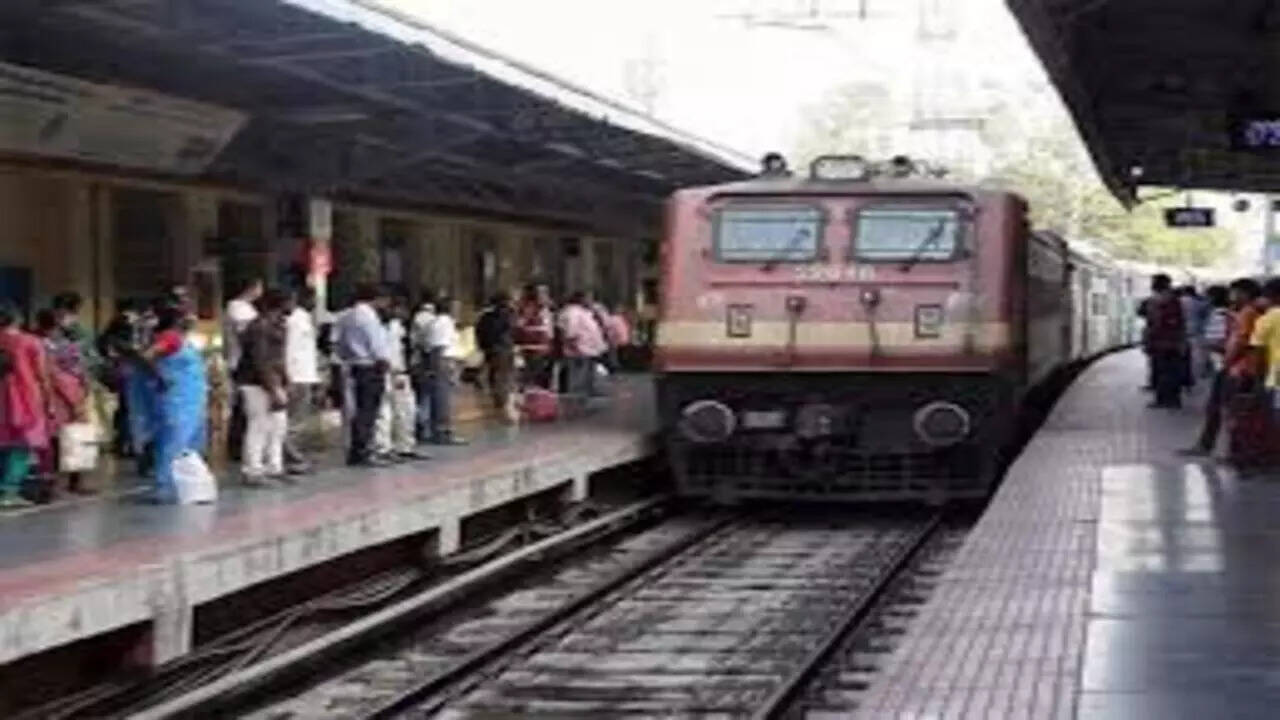
Travelling without a valid ticket on Indian Railways is about to become more expensive. Starting July 1, 2026, the minimum penalty for ticketless travel will increase from Rs 250 to Rs 500, marking a major change in the railway network’s enforcement measures. Railway officials said the revision is intended to discourage ticketless journeys, improve adherence to ticketing regulations, safeguard revenue and strengthen the effectiveness of ticket-checking operations across the country.
Under the revised rules, passengers found travelling without a valid ticket or pass will now face a minimum penalty of Rs 500, double the existing amount. The higher charge will also apply in situations where authorities determine there was fraudulent intent.
The updated provisions cover a range of violations, including travelling without a ticket, travelling with an invalid or improper ticket, and continuing a journey beyond the distance authorised on the ticket.
Amendments Under The Railways Act
The changes come from amendments made to Sections 137 and 138 of the Railways Act, 1989, through the Jan Vishwas (Amendment of Provisions) Act, 2026. Railway authorities have clarified that while the minimum penalty and excess charge are being revised upward, other provisions governing fare recovery and related charges will remain unchanged.
For passengers travelling without a proper ticket or exceeding the distance permitted on their ticket, Section 138 will now require payment of the actual fare along with a minimum excess charge or penalty of Rs 500. Previously, the minimum amount stood at Rs 250.
Maximum Punishment Remains The Same
Despite the increase in minimum penalties, the maximum punishment prescribed under the law has not been altered. Offenders may still face imprisonment of up to six months, a fine of up to Rs 1,000, or both, depending on the decision of the competent court.
The amendments also preserve the distinction between a penalty and a fine. An authorised railway employee can impose a penalty during ticket inspections, whereas a fine can only be imposed by a competent court. Court proceedings generally come into play when a passenger refuses or fails to pay the prescribed penalty.
Indian Railways has advised passengers to ensure they carry valid tickets while travelling and comply with all railway regulations. Authorities have also urged travellers to cooperate with ticket-checking staff during inspections.
