
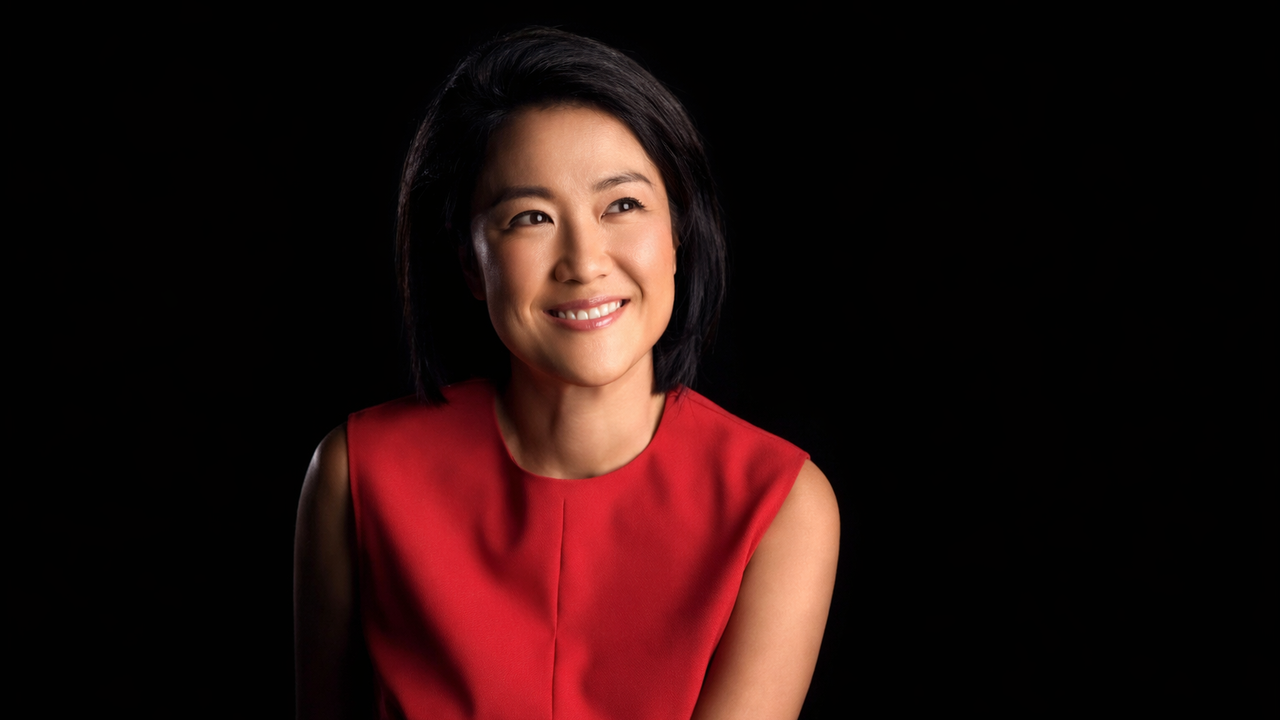
China today is called as a global leader in the real estate sector due to its majestic high rises and transformational infrastructure. The two decades — 1995 to 2015 — marked the greatest period of urbanization in China’s 5,000 year history. As co-founder of SOHO China, she played a pivotal role in transforming Beijing’s urban landscape during its rapid economic ascent, and known for daring collaborations with international architects that have transformed Chinese skylines with over 54,000,000 feet of properties.
She rose from humble beginnings to become one of China’s most influential property tycoons, reshaping the capital’s skyline with bold, design-led commercial projects.
Zhang Xin was born in 1965, and raised during Mao Zedong’s Cultural Revolution. Later in 1980, she moved to Hong Kong where she worked on factory assembly lines six days a week.
Later in 1995, she returned to China got engaged to her future husband, Pan Shiyi. Together, the couple founded SOHO China.
Through SOHO China, she introduced large-scale, premium office complexes with the key projects like Wangjing SOHO and Galaxy SOHO. These projects became magnets for multinational firms, startups, and tech companies.
Unlike other developers who focused on residential sales, Zhang Xin emphasized high-end commercial leasing.
He prime targets were long-term tenants such as tech firms, financial institutions, and co-working spaces. This approach aligned with China’s shift from manufacturing to services and innovation, especially in cities like Beijing.
Early 2000s: A turning point
In the early 2000s, a boom in the real estate market came in China. SOHO China remains the key player in building everything from the airport, the highways, the high-rises.
At one point there were 40,000 real-estate developers in China. During an interaction with Wall Street Journal, she said, “I benefited from living outside of China for 15 years. I benefited from that exposure, how buildings look different. I was always thinking, “What can I bring from outside to China?”
During the period, she helped transform Beijing from a government-centric city into a design-forward, globally connected business hub, aligning real estate with China’s economic evolution.
The Hong Kong story:
At 15, she moved with her family to Hong Kong. There she worked on factory assembly lines.
“We did not know what other way to live, than just finding whatever job was out there to make a living,” she recounted.
In Hong Kong, she saved enough for a flight to the UK where her initial days were overwhelming. She went on to complete her education there, first at the University of Sussex and later at Cambridge University.
With two economics degrees in hand, she returned to China in 1995.
