
Asia is the most vulnerable region globally to sustained oil price spikes due to its heavy dependence on imported energy and high trade openness, according to an Invesco report titled Middle East Tensions – Impact on Asia. The report warns that a prolonged geopolitical disruption affecting Gulf oil exports could significantly alter the region’s macroeconomic outlook.
Invesco noted that a sustained rise in crude prices would weigh on equities across Asia, with energy-importing economies facing the greatest strain. If supply disruptions lead to prolonged price spikes, the region could experience weaker growth and heightened macro-stability risks. However, the report added that if tensions ease quickly, any negative market impact may prove temporary.
ALSO READ: 80% of Indian Stocks in Bear Market: Panic Exit or Smart Entry Point?
Higher oil prices represent a negative terms-of-trade shock for Asia. While fuel price regulations in many countries may soften the immediate blow to consumers, governments could face mounting fiscal pressure from rising import bills. Inflation risks would likely increase in large energy importers such as Korea and Taiwan, though central banks may avoid aggressive policy tightening if inflation is seen as supply-driven.
Among Asian economies, Thailand, India, Korea, and the Philippines are considered the most vulnerable due to their high reliance on oil imports. In contrast, Malaysia could benefit relatively, given its position as an energy exporter.
The report also highlighted potential currency pressures, noting that the Indian rupee and Korean won may face near-term headwinds if crude prices remain elevated.
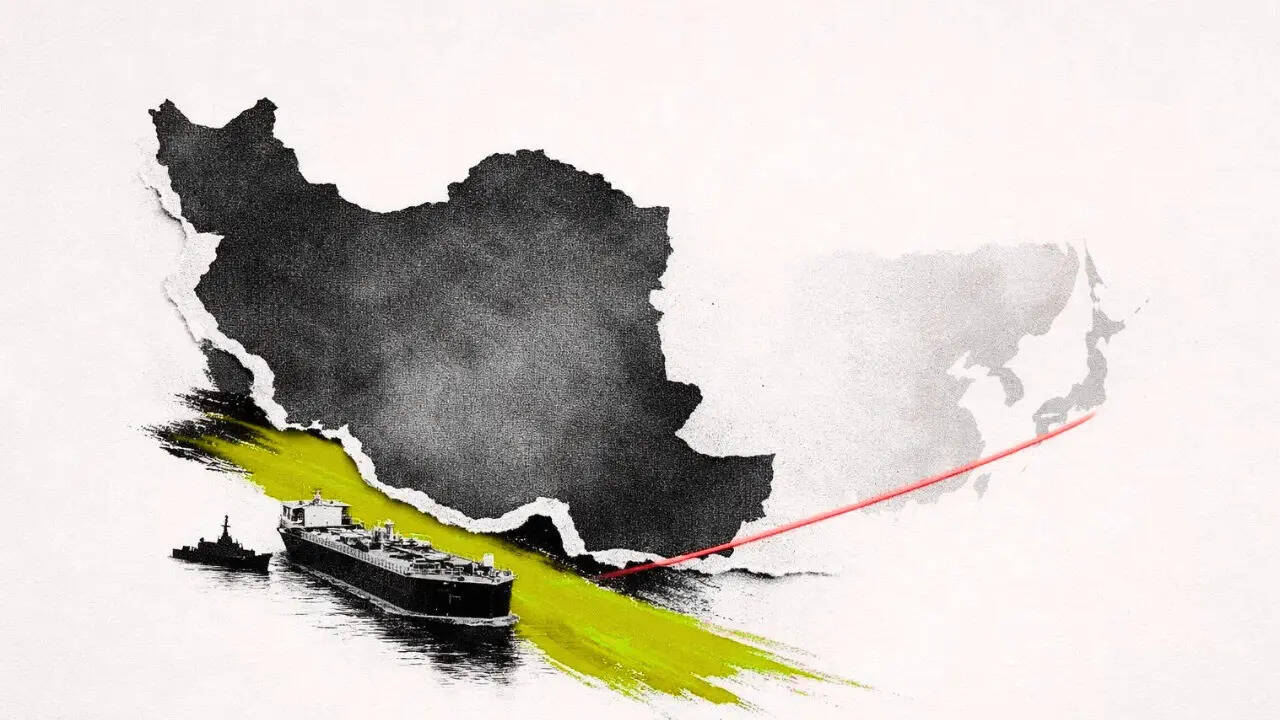
Why Asia Is Most Exposed to Oil Shock?
