
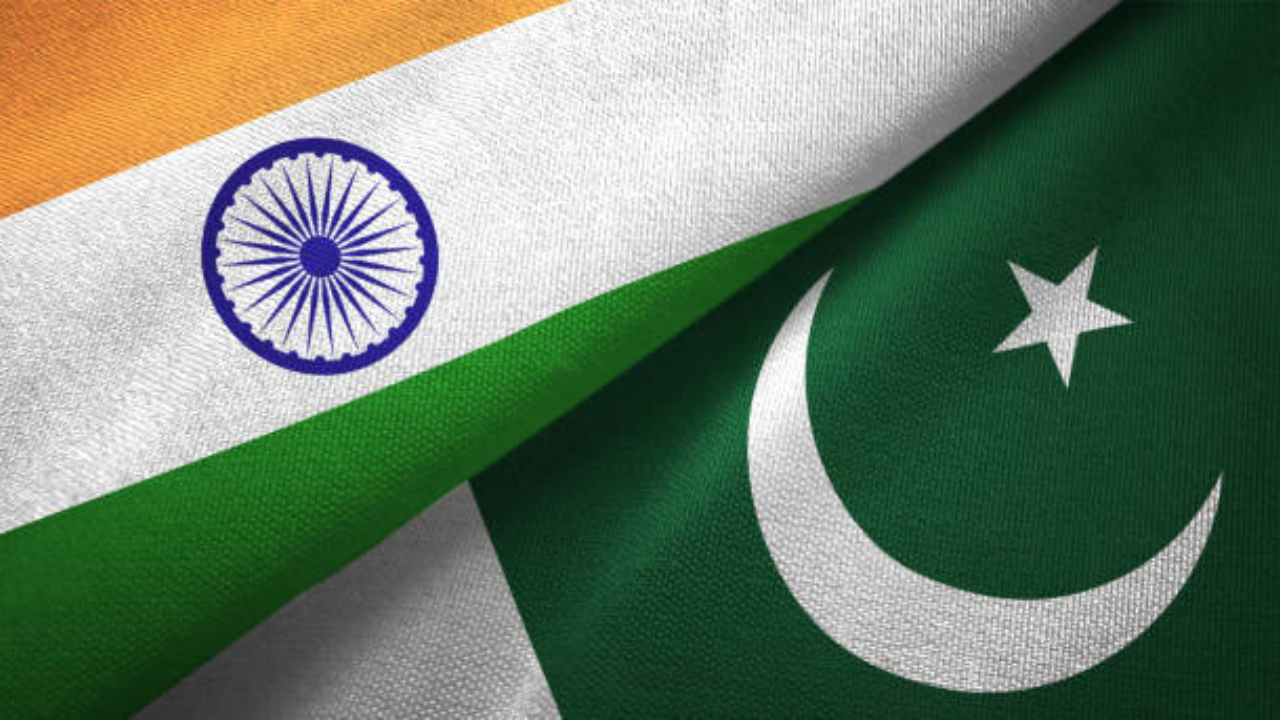
In early 2026, the world has been thrust into a major energy crisis triggered by the escalating conflict between Iran, the United States, and Israel. Dubbed “Operation Epic Fury,” the joint US – Israeli military strikes on Iranian targets, including leadership and infrastructure, led to Iran’s retaliation and the effective closure of the Strait of Hormuz, a vital chokepoint through which about 20% of global oil and liquefied natural gas (LNG) transits.
This disruption has sent global crude oil prices soaring, with Brent crude surpassing $90 per barrel and reaching as high as $114 by March 9, 2026, marking a 23–30% weekly surge, the steepest since the pandemic. The fallout has rippled across import-dependent economies, exacerbating inflation and straining budgets. Yet, amid this turmoil, India has remarkably maintained stable retail prices for petrol and diesel, while neighboring Pakistan has been forced to implement record-breaking hikes. This contrast highlights divergent strategies in oil import diversification, reserve management, and fiscal policies, offering lessons in resilience during geopolitical upheaval.
The Global Crisis and Its Immediate Impacts
The Strait of Hormuz is a waterway that connects the Persian Gulf to the Arabian Sea. Every day, it carries 21 million barrels of crude oil, about one-fifth of the total global consumption. When Iran announced on March 2, 2026, that it would close the Strait of Hormuz because of the US-Israeli attacks, several incidents of attacks on oil tankers followed, and the flow of traffic was severely reduced. Since then, several concerns have been raised about the supply of crude oil.
On March 7, 2026, several tankers were waiting outside the Strait of Hormuz, and several large tankers suspended traffic. The cost of crude oil processing has increased, and the global crude oil price has also increased. If the price remains above $90 a barrel, it may cause a rise in the current account balance and inflation in the global economy. The situation has severely affected South Asia. India and Pakistan both need to import 80-85% of crude oil. A large share of crude oil has been imported from the Middle East, but India has been trying to diversify its sources and has built up large reserves. The situation has severely affected the people of Pakistan.The main differences lie in the state of readiness and the adaptability of the policy.
In the last ten years, India has been diversifying its investments in the US and Russia, as well as developing a strategic petroleum reserve since 2003. In the case of Pakistan, the revival of upstream is slower with thinner reserves. In the case of India, the state’s stronger economy can afford the costs, whereas the situation in Pakistan is such that the country’s financial woes, such as the $12.7 billion it spends annually on energy, mean that prices must rise. Petrol prices in Pakistan will be PKR 321 per litre by the end of March 2026, which is similar to India’s Rs 100 per litre. However, when viewed from the standpoint of the overall poverty situation in the country, the situation appears even more critical.
India’s Resilient Approach: Diversification, Reserves, and Policy Absorption
India, the world’s third-largest oil importer with daily needs exceeding 5 million barrels, has navigated the crisis without raising petrol or diesel prices, which have remained frozen since April 2022. Government sources attribute this stability to several factors.
Import Diversification:Prior to the crisis, half of India’s crude imports used the Hormuz route. This share had eased from past highs because of strategic realignments. India has increased the share of non-Hormuz routes for its crude imports from 60% to 70% of the total by March 2026. India has increased its share of Russian oil, even after the share fell to 20% in January, and has also increased its share of US, West African, Venezuelan, and Latin American oil. A 30-day US waiver allowed continued Russian purchases, stabilizing costs amid discounted barrels. This reduced vulnerability, with only 40–50% of crude exposed to Hormuz risks.
Strategic Reserves and Stockpiling: India maintains strategic petroleum reserves covering 9.5 days of net imports, plus commercial stocks totaling 74 days for crude and up to eight weeks for refined fuels. Facilities in Visakhapatnam, Mangaluru, and Padur provide a buffer, allowing the government to manage short-term disruptions without passing costs to consumers. Officials have activated contingency plans, including spot tenders and maximized domestic refinery output.
Fiscal and Policy Measures: The government has managed the market volatility through flexible excise duties, the objective of reaching 20% ethanol blending in the fuel basket by 2026, and engagement in dialogue with the supply side from countries such as Qatar, the UAE, and Saudi Arabia. The partial resumption of Hormuz cargo by March 7 has also helped ease some of the supply pressures. On the other hand, the price of LPG rose by Rs 60 for a 14.2 kg cylinder on March 7 (Delhi rates: Rs 913), thereby underscoring the growing vulnerability of cooking gas, the supply of which is enough for only two to three weeks. Overall, the measures have helped keep inflation in check, with experts opining that an increase of $10 in crude could add $13-14 billion to India’s import bill annually, but the impact at the consumer level would be small.
Pakistan’s Mounting Challenges: Dependency and Economic Strain
In a striking contrast to this, the country that relies on Hormuz for 70 to 80 percent of its crude imports has imposed the costs of the crisis directly on its people. On the 7th of March, 2026, the country introduced a historic increase in fuel prices by a whopping 20 percent. Petrol was raised by PKR55 to PKR321.17 per liter, diesel was raised by PKR335.86, and kerosene was raised by PKR130 to PKR318.81. This led to panic buying, long queues, and the fear of a “second inflation wave.”
Heavy Import Reliance: This has resulted in a sharp increase in global crude oil prices, with Brent crude oil prices rising above $90 per barrel and touching a high of $114 per barrel by March 9, 2026, with a rise of 23-30% in the last week, the highest increase since the pandemic. However, in the midst of all these challenges, the most striking thing is that while India has managed to keep the prices of petrol and diesel stable, Pakistan has been compelled to increase oil prices at a record high.
Limited Buffers: National stocks cover 26–28 days, far less robust than India’s, leading to stretched supplies and considerations for weekly price adjustments. Economic constraints, including IMF conditions limiting subsidies, force direct pass-through of costs.
Broader Economic Fallout: The hikes coincide with Ramadan, amplifying public outrage and risks to transport, logistics, and food prices, potentially shaving GDP growth and fueling unrest.
A Tale of Two Strategies: Why the Divergence?
The main differences lie in the state of readiness and the adaptability of the policy. In the last ten years, India has been diversifying its investments in the US and Russia, as well as developing a strategic petroleum reserve since 2003. In the case of Pakistan, the revival of upstream is slower with thinner reserves. In the case of India, the state’s stronger economy can afford the costs, whereas the situation in Pakistan is such that the country’s financial woes, such as the $12.7 billion it spends annually on energy, mean that prices must rise. Petrol prices in Pakistan will be PKR 321 per litre by the end of March 2026, which is similar to India’s Rs 100 per litre. However, when viewed from the standpoint of the overall poverty situation in the country, the situation appears even more critical.
Lessons and Risks
India’s strategy also highlights the need to think long-term, but a long-drawn-out conflict may test this long-term thinking, possibly leading to a move similar to LPG if crude rises to $120. For the case of Pakistan, the adoption of renewables, the increase in electric vehicles, and the diversification of the country’s energy mix could help it prepare for the possible disruption. In the midst of the crisis, both countries point to the relationship between geopolitics and energy security, emphasizing the need for international diplomacy to address the situation.
