
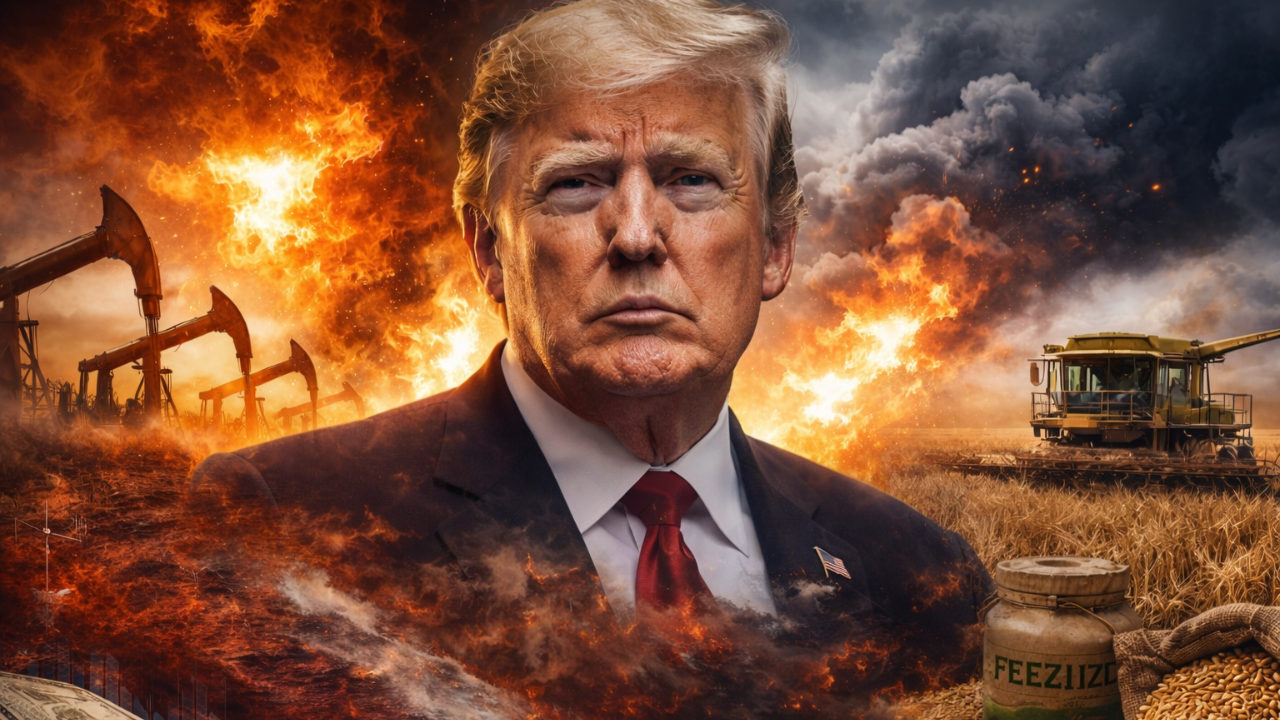
As tensions escalate in the Middle East, the fallout has rippled swiftly through the global economy. In just four weeks since the conflict began, the shock has been immediate and widespread. At the center of this is the Strait of Hormuz, a critical energy chokepoint that carries nearly one-fifth of the world’s oil supply, now largely constrained and tightly controlled by Iran.
Maritime traffic through the corridor has collapsed dramatically, plunging from an average of 150-175 vessels a day to just 8-10, according to S&P Global Energy. And the fallout has been swift. Within weeks, Gulf crude production dropped by nearly 10 million barrels, tightening an already fragile supply chain.
The crisis deepened after Iranian counterstrikes on key Qatari facilities forced QatarEnergy to declare force majeure, effectively sidelining the world’s second-largest LNG exporter from global markets.
Energy prices reacted instantly. Brent crude, which had been relatively stable around $60 per barrel, surged to $119.50, reflecting not just a supply shock, but a steep geopolitical risk for the global energy markets.
How a disruption in the Strait of Hormuz is having ripple effects across nations
The blockade of the Strait of Hormuz has caused a disruption to global agricultural supply chains, primarily by choking off the transport of essential fertilizers and fertilizer feedstock from the Middle East, according to the Council on Foreign Relations. This disruption has arrived precisely at the onset of the Northern Hemisphere’s spring planting season. Because the international community maintains no strategic reserves for nitrogen fertilizer, the immediate shortage translates to reduced application rates by farmers, guaranteeing depressed crop yields globally. The bottom left quadrant reveals the most vulnerable, heavily indebted nations across Asia and North Africa, completely dependent on imported fuel.
In Pakistan, the external price shock triggered an immediate loss of investor confidence. The Pakistan Stock Exchange plunged
9.57% in a single trading session.
Sri Lanka implemented a mandatory four-day workweek and restricted motorists to just 15 liters of fuel per week, prioritising the preservation of foreign currency reserves over domestic economic productivity.
European economies possess the fiscal space to avoid outright physical rationing, allowing them to attempt complex market manipulations.
The British government refused broad tax cuts at the pump. Instead, it deployed targeted support for off-grade households.
In India, the crisis manifests through restrictions on fuel. With 90% of its liquefied petroleum gas imported from the Middle East, according to Reuters, the stranding of LPG tankers forced the government to mandate rationing in a bid to preserve cooking fuels for households.
The United Nations World Food Program projects that if this blockade persists beyond mid-2026, the combination of fractured supply chains and surging transportation costs will thrust an additional 45 million people into acute hunger.
How does this translate into a global recession?
A nation’s domestic energy capacity and the strength of its currency ultimately determine whether a geopolitical blockade becomes an economic windfall or an existential crisis. The ultimate determinant of global liquidity now rests within the United States Federal Reserve.
In March 2026, the Federal Reserve held its benchmark short-term interest rate steady at a restrictive 3.6%, defying intense political pressure. The dilemma is stark. Cutting rates too soon to support the labor market risks reigniting inflation, weakening the dollar, and triggering a second wave of price increases. But keeping borrowing costs high, even as $4-a-gallon gasoline eats into household budgets, all but guarantees a sharp pullback in consumer spending.
Across the Global South, the pressure is even more severe. Analysts believe that highly indebted economies are facing a brutal triple shock: surging energy prices, a deepening fertilizer shortage, and a strong US dollar driving steep currency depreciation.
Unless trade flows through the Strait of Hormuz are restored, this combination of elevated energy costs and weakening demand could set the stage for a synchronised global recession.
