
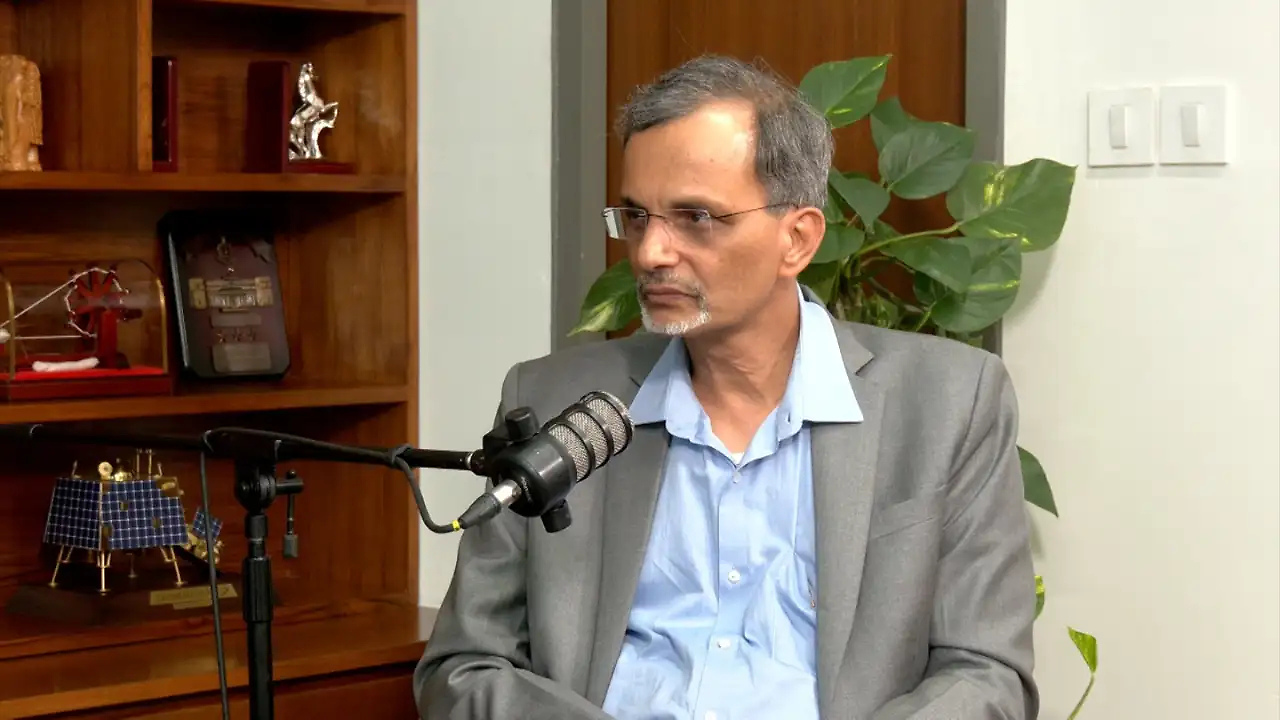
India is entering a defining phase in its economic journey, with the challenges confronting the country today bearing similarities to the period around the 1991 economic reforms, Chief Economic Advisor (CEA) V Anantha Nageswaran said on Thursday. He identified FY26 as a crucial turning point for India’s economic trajectory, citing repeated global disruptions and mounting pressure on essential supplies.
Nageswaran clarified that the comparison with 1991 did not suggest a repeat of the balance of payments crisis that India experienced at the time. Instead, he drew parallels between the importance of the two periods for the country’s long-term economic direction.
The global economy has faced a succession of shocks in recent years, ranging from the COVID-19 pandemic and the Russia-Ukraine war to the ongoing conflict in the Gulf region. These developments have disrupted trade, affected energy markets and exposed vulnerabilities in international supply chains.
For India, dependence on imported crude oil adds to the risks arising from fluctuations in global commodity prices. Trade tensions, shortages of critical materials and disruptions to essential supplies have also emerged as concerns for policymakers.
“2026 resembles 1991, not in terms of balance of payment crisis. It was an inflection point then. 2025-26 should also be deemed as an inflection point; very important inflection point for India right now,” Nageswaran said.
Repeated Global Shocks Put Supply Chains Under Pressure
The CEA said a recurring feature of recent global crises has been their impact on the availability of goods and essential production inputs. From pandemic-related disruptions to geopolitical conflicts, these shocks have exposed the interconnected nature of manufacturing and international trade.
“Last six years have seen many shocks with one common element — supply-side shocks,” he said, noting that since the COVID pandemic, followed by the Russia-Ukraine war, and now the war in the Gulf have given rise to the issue of semiconductor chip shortages, and subsequently led to weaponization of some of radars and critical minerals.
Semiconductors and critical minerals are important inputs across several industries, including electronics, automobiles, defence and advanced manufacturing. Disruptions in their availability can affect production schedules and raise costs for businesses.
Nageswaran also pointed to trade retaliation through tariffs, semiconductor shortages and India’s exposure to international crude oil prices as challenges that could influence the country’s economic outlook.
Trump-Era Tariffs Add To Global Trade Uncertainty
The CEA highlighted the role of trade policy changes in intensifying uncertainty for businesses and economies. He referred to the use of tariffs as a tool of trade retaliation and said similar measures had subsequently been adopted by other countries.
“US President Trump came to office in January last year and initiated a process of tariffs as an important trade retaliation measure, but others have also followed suit.”
An escalation in trade barriers can affect the movement of goods across borders, increase costs for companies and complicate investment decisions. For economies integrated into global manufacturing and export networks, such developments can also influence access to markets and critical inputs.
Gulf Conflict Highlights India’s Dependence On Imported Energy
The ongoing conflict in the Middle East has brought renewed attention to India’s reliance on international markets for several essential commodities. Beyond crude oil, Nageswaran flagged potential vulnerabilities involving natural gas, fertilisers and cooking gas.
Disruptions in energy supplies or shipping routes can increase import costs and put pressure on domestic prices. Higher energy and fertiliser expenses can also affect businesses, transportation and agricultural production.
The impact of international commodity markets therefore extends beyond fuel prices, with the potential to influence inflation and operating costs across multiple sectors.
