
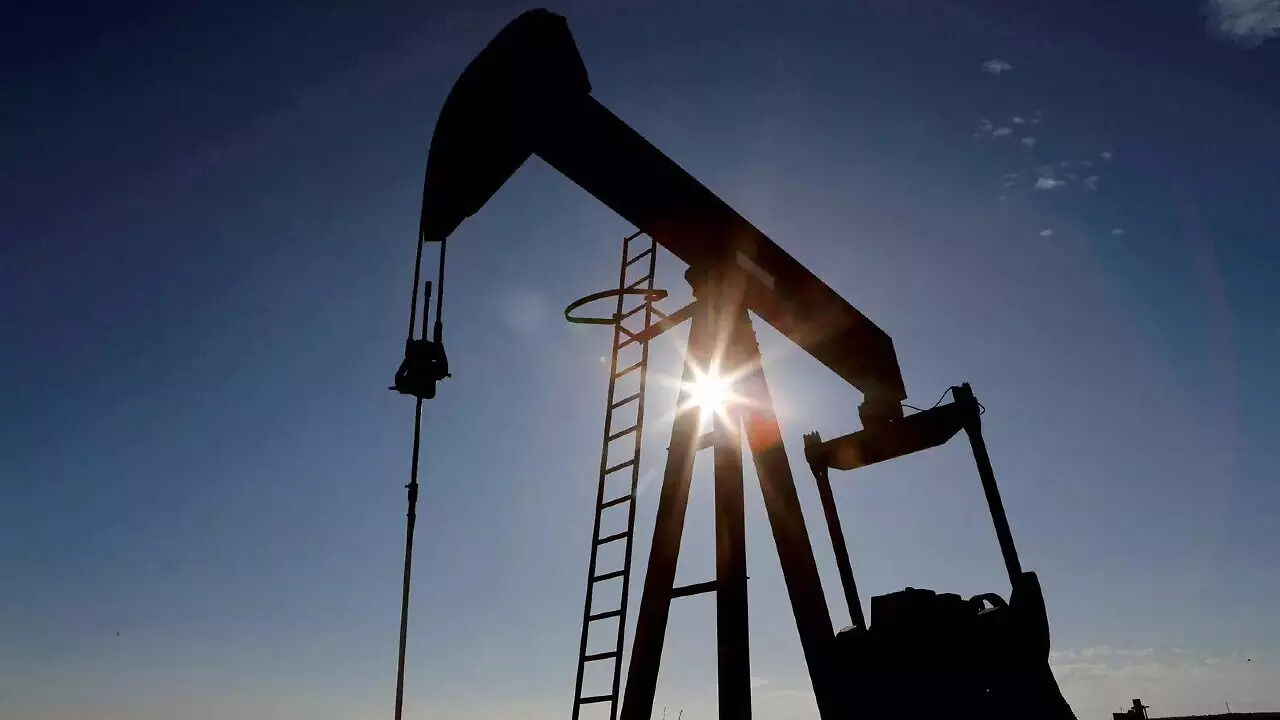
Oil prices climbed nearly 1 per cent on Wednesday, October 14, after an administrative building linked to Saudi Arabia’s state-owned oil giant Saudi Aramco was attacked in Dhahran, eastern Saudi Arabia. The incident sparked a limited fire, according to the Energy Ministry, adding to concerns about potential disruptions to global energy supplies amid escalating tensions in the Middle East.
Investors are weighing the threat of further attacks on Saudi oil infrastructure and shipping routes against the possibility of increased diesel supplies from Russia.
International benchmark Brent crude futures advanced 0.93 per cent, to $106.06 a barrel. US West Texas Intermediate (WTI) crude futures gained $1.24, or 1.32 per cent, to $95.38 per barrel.
The latest gains followed a mixed session on Tuesday, when Brent crude declined 0.9 per cent, while WTI rose 0.4 per cent.
The attack has drawn attention to Dhahran, which hosts a major operations centre for Saudi Aramco. The company oversees a vast energy infrastructure network encompassing onshore and offshore oil rigs, pipelines, refineries and export terminals. Any further escalation targeting such facilities could intensify concerns over the reliability of oil supplies from the region.
Houthi Attacks Raise Fresh Concerns
The incident comes amid a week of escalating attacks by Yemen’s Houthi movement against Saudi targets. The group has reportedly launched ballistic missiles and drones at strategic locations in retaliation for Riyadh’s backing of government forces in Yemen’s renewed civil war.
Saudi Arabia’s international airport has been struck four times, with an attack on Saturday reportedly killing 13 people.
The latest developments followed a warning issued by the Houthis on Tuesday, urging employees and civilians near Saudi oil facilities to evacuate. The group described the installations as a “legitimate target”.
Shortly after the warning, Al Jazeera’s team on the ground reported hearing explosions in Sanaa. Media organisations affiliated with the Houthis subsequently reported that Saudi-backed forces had conducted air strikes on an oil facility in the al-Sabah area.
The expanding confrontation has heightened concerns that further attacks could affect energy infrastructure and transportation networks, putting additional upward pressure on crude prices.
Saudi Production Increase and OPEC+ Supply Outlook In Focus
The attack comes after Saudi Arabia raised oil production last month, despite shipment disruptions associated with the US-Iran war. The increase contributed to a sharp rise in overall output from OPEC+, comprising the Organisation of the Petroleum Exporting Countries and its partner producers, including Russia, according to information released on Tuesday.
OPEC has also increased its oil demand forecast for 2027, pointing to the need to replenish inventories. However, the outlook for supply remains uncertain as geopolitical tensions threaten the movement of crude and refined petroleum products.
Meanwhile, Iran is adopting new methods to target vessels in the Strait of Hormuz, seeking to keep oil prices elevated and influence the US midterm elections, Reuters reported, citing two senior Iranian officials.
The Strait of Hormuz is a critical passage for global energy shipments, making any disruption in the waterway a significant concern for oil-importing economies and international markets.
