
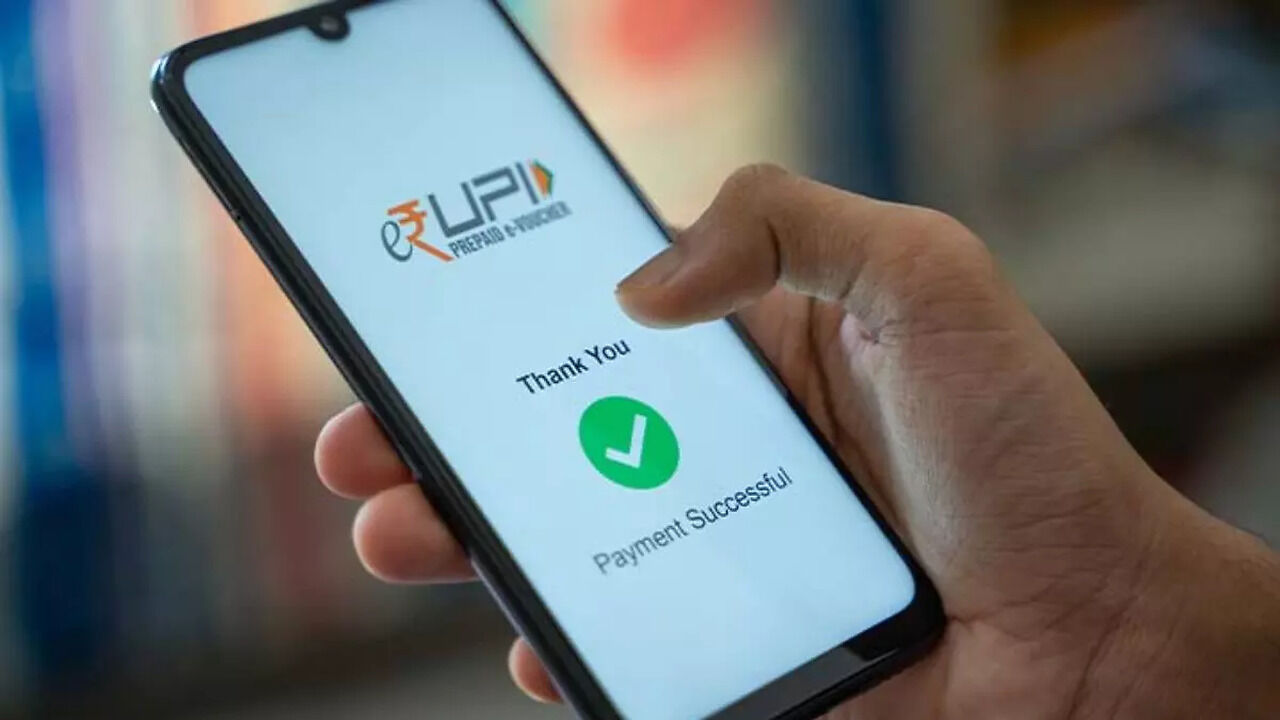
In an exclusive conversation with Times Now Digital, Former NITI Aayog Vice Chairman Rajiv Kumar explains why UPI MDR could encourage some merchants to shift back to cash and the impact that could have on the growing digital payments ecosystem. Given below is a short excerpt of the full interaction.
Q. The debate over UPI charges persists while the Government has clearly stated that customers will not pay MDR, stressing that MDR is a charge within really the merchant payment ecosystem and that consumer interests will be protected entirely. The bigger question is now really about the future of digital payments versus cash altogether. Niti Aayog’s Former Vice Chairman, Rajiv Kumar joins us for an exclusive interaction. The issue really has moved beyond who pays the charge to how merchants now respond to it. In Madhya Pradesh, for example, petrol pump dealers are now opposing MDR on UPI payments above rupees 2000 nd signaling a shift towards cash for such transactions. Now the impact here is likely to be twofold then as far as consumers are concerned, and could this then mean a shift towards more cash transactions and taking away from the digital payments ecosystem altogether?
A. That was always a fear, which is that, you know, with this fee, how so ever small, there could be an incentive to move away from digital to cash back again. The fact is that, while 96% of the transactions in unit terms are less than 2000 rupees, 66% are more than 2000 rupees. 2/3rds of the total transactions are more than Rs 2000 and petrol is a good question and point because if you are at 100 rupees a litre, it doesn’t take very long for the bill to go above Rs 2000, so there the fee, the merchant will have to pay the fee and the merchant will therefore, you know, kind of encourage the customer to pay in cash. Therefore there is an incentive there to move back to cash and the and therefore the habit that we’re building up, the habit of going digital and the habit of, you know, sort of moving away from cash and, you know, currency will be broken. The currency to GDP ratio in this country remains quite high and has increased over the last few years. At the time of demonetisation, we felt this would come down, but nothing of that kind has happened. So my own view is therefore, let this continue for a few more years. Let the habit become sort of universal and let a great majority of transactions by value become digital, you before you start putting a fee on it. That’s the thought. So, you know, let this come down from 66% to below 50% or even less so that the economy does become digitalised, you know, the transactions in value terms rather than in transaction terms. Because, otherwise you would disincentivise the use of digital.
Q. Right. for consumers, therefore, then this means- the issue is not simply whether UPI itself becomes chargeable for their merchant transactions above a certain amount. The bigger question is whether merchants facing higher transaction costs start limiting UPI acceptance then?
A. That is true. The merchants will have this incentive to not accept digital and become, know, restaurants bill, petrol pump bills, going to buy clothes. You know, your own. So it’s a day to day-The figure is telling 66% of transactions by value are above 2000 rupees. And the other part of it is that the expenditure on maintaining the UPI infrastructure is just a mere 20,000 crore rupees. And I’m saying a mere 20,000 crore rupees because the total expenditure of the state and central governments put together is 93 lakh crore rupees in 2024-25. Now, you think about it, and this UPI infrastructure, the UPI practice has got so many positive externalities, and it’s such an important step in making this economy, if you like, cashless and accountable and rooting out the habit of using cash for all kinds of purposes. So I think therefore, this expenditure is very well worth it. Therefore any attempt at the moment to change that, I think is premature. Therefore we should wait for it and let the status quo continue until we are sure that this will not reverse the trend that has happened so far. The fiscal cost is minimal, is minuscule. That’s the word for it. It is minuscule. So why not bear it? After all, you construct roads and railways and electricity, all as a part of the public goods, and so UPI is a public good. Several very credible people have argued on the same lines as I am doing now. I thought about it for a while, but then when I looked at it in terms of how small the share is, or cost is, and how big are the advantages for it, I think there is no case at all.
