
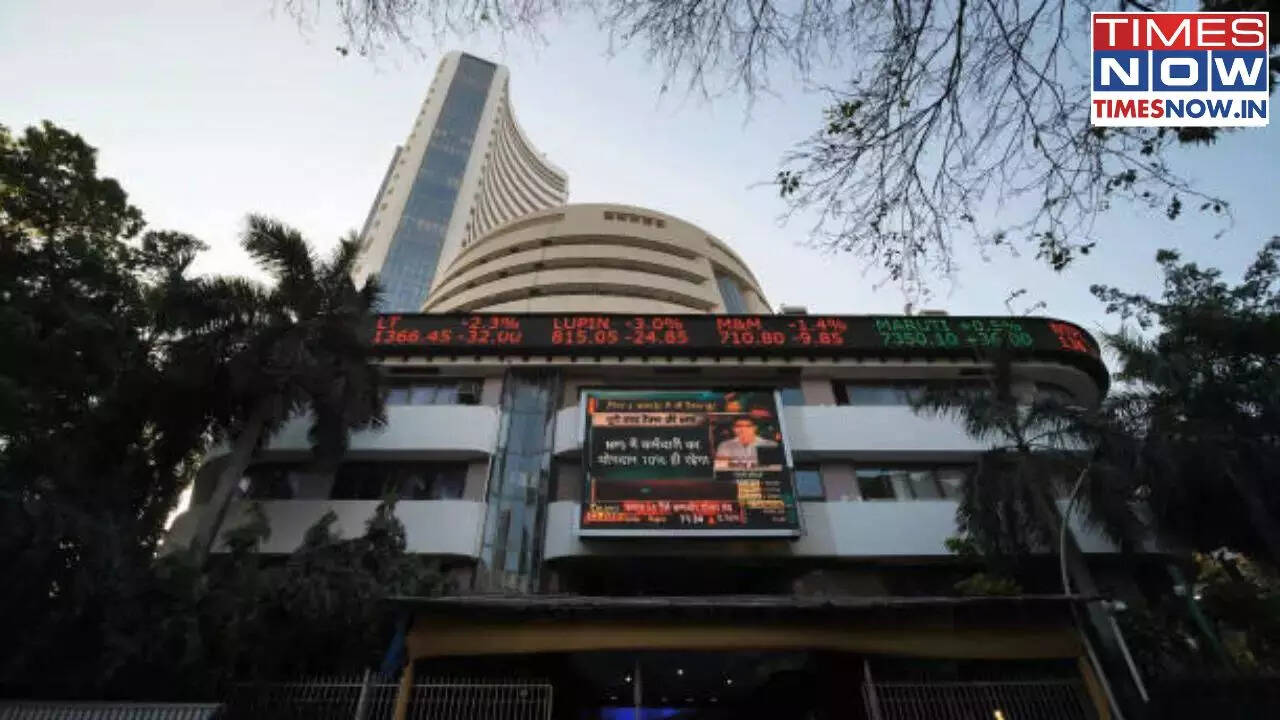
India has overtaken Indonesia as the least-preferred stock market in Asia, according to the latest Bank of America fund manager survey, showing growing investor caution despite stronger-than-expected corporate earnings. The survey showed that 32 per cent of respondents were net underweight on Indian equities. Concerns over the country’s limited exposure to artificial intelligence (AI), slowing growth prospects, lack of reforms and elevated valuations contributed to the bearish view.
The findings come even as foreign investors have resumed buying Indian stocks and corporate earnings have delivered a stronger performance than anticipated.
According to the survey, the lack of a clear AI investment opportunity in India was the biggest concern among fund managers. Weak economic growth was identified as the second-largest risk.
Investors also pointed to a lack of reforms and high valuations as factors behind their cautious stance towards India’s equity market.
The survey included 98 fund managers managing assets worth $272 billion, with responses collected between August 7 and August 13.
Despite the negative sentiment, earnings growth has remained encouraging. Companies forming part of the benchmark Nifty 50 recorded an 18 per cent year-on-year increase in earnings during the latest three-month period. This was substantially ahead of the 10 per cent growth estimate from Motilal Oswal Financial Services Ltd.
Indonesia Gains Ground As India Slips In Preference
Investor sentiment towards Indonesia has improved in comparison. Around 27 per cent of fund managers were net underweight on Indonesia, down from 32 per cent in July.
Taiwan and Japan, meanwhile, continued to be the most-preferred markets among investors in the survey.
The shift in preference comes against the backdrop of differing market performances. The Jakarta Composite Index has climbed more than 20 per cent from its June low, helped by measures from Indonesia’s central bank aimed at supporting the currency.
Concerns over Indonesia potentially being downgraded to frontier-market status by MSCI have also eased, providing another boost to investor sentiment.
Foreign Funds Are Still Buying Indian Equities
The cautious position in the BofA survey contrasts with recent foreign investment activity in India. Global funds have purchased more than $4 billion worth of Indian equities during the current quarter, the highest amount among regional emerging markets. The buying follows record foreign outflows recorded during the first half of the year, as per the Bloomberg report.
This suggests that while investors remain concerned about valuations and India’s longer-term growth prospects, some global funds are still finding opportunities in the country’s equity market.
Nifty 50 Faces Weak 2026 Despite Recent Recovery
Indian stocks have come under pressure over the past two weeks, even as the earnings outlook has improved. The Nifty 50 has gained 8 per cent from its March low, but remains down 8 per cent so far in 2026. That performance makes it the second-worst-performing major Asian market this year.
The benchmark is also on course to end a remarkable streak of 10 consecutive years of annual gains.
India was previously ranked as Asia’s least-preferred market in the BofA survey in May. At the time, concerns over economic growth were intensified by rising energy costs following the US-Iran war, which had pushed global crude oil prices higher.
With the conflict showing no clear signs of resolution, renewed pressure on energy prices is once again emerging as a factor weighing on investor sentiment towards India.
