
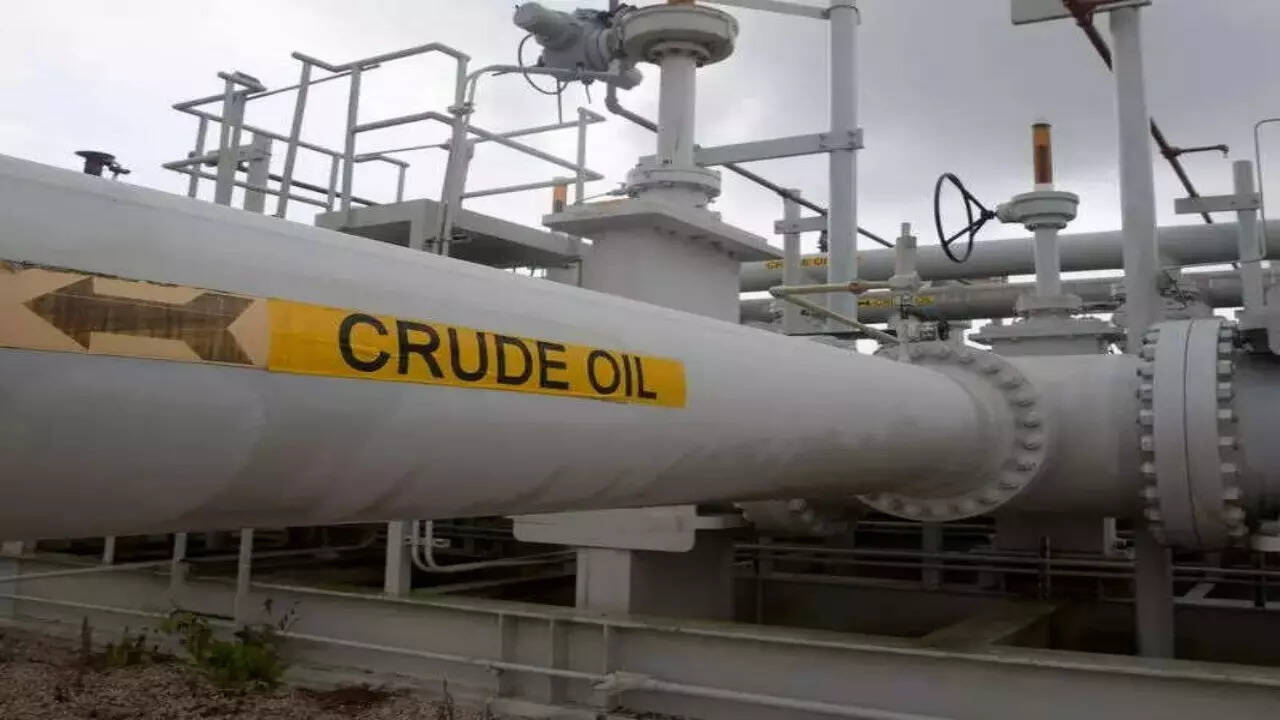
Global oil prices surged past $100 per barrel on Thursday, crossing the key psychological threshold as escalating tensions involving Iran, the United States and the Strait of Hormuz heightened fears of a major disruption to global energy supplies.
Benchmark crude contracts climbed sharply during trading after a series of military and political developments raised concerns that one of the world’s most important oil chokepoints could face further instability.
The move comes amid renewed threats of military escalation in the Middle East and warnings that attacks on shipping in the Strait of Hormuz and the Red Sea could intensify.
Why oil is rising
Traders have increasingly focused on the risk that the conflict could affect the flow of crude from the Gulf, where a significant share of the world’s oil exports passes through the Strait of Hormuz each day.
Recent attacks on commercial vessels, missile and drone strikes in the region, and growing uncertainty over Iran’s next move have pushed energy markets into a more defensive posture.
Analysts say the market is now pricing in a higher probability of supply disruptions rather than merely reacting to day-to-day military headlines.
Trump’s comments added to market anxiety
Oil prices received an additional boost after President Donald Trump signaled that he was “close” to deciding on a new, potentially “massive” military operation against Iran.
Although no final decision has been announced, traders interpreted the remarks as evidence that the conflict could escalate further.
Trump has also warned that Iran would be held responsible for attacks by Iran-backed Houthi forces on ships in the Red Sea, adding another layer of uncertainty to global shipping routes.
Strait of Hormuz remains the key flashpoint
The Strait of Hormuz is widely regarded as the most important oil transit corridor in the world. Any disruption there can have an outsized impact on global energy prices.
Shipping companies have already reported increased security risks, and some operators are reassessing routes through the Gulf as insurance costs continue to rise.
Market participants are particularly concerned that a prolonged military confrontation could temporarily restrict tanker traffic or force vessels to avoid the area altogether.
Economic implications
A sustained move above $100 per barrel could have significant consequences for the global economy.
Higher crude prices typically feed into:
Fuel costs for consumers.
Airline and transportation expenses.
Manufacturing and logistics costs.
Broader inflation pressures.
Central banks, which have been watching energy prices closely, may face renewed challenges if oil remains elevated for an extended period.
Energy stocks and safe-haven assets rally
The sharp rise in crude prices was accompanied by gains in energy and defense-related stocks, while investors also increased allocations to traditional safe-haven assets.
Companies involved in oil production, refining and military equipment manufacturing were among the strongest performers in market trading.
The next major driver for oil markets is likely to be whether the current military standoff remains limited or expands into a broader regional conflict involving additional Gulf infrastructure or shipping assets.
Analysts say prices could remain highly volatile as traders react to:
Any new US military decision on Iran.
Iranian responses in the Gulf.
Developments involving Houthi attacks on shipping.
Potential diplomatic efforts to restore a ceasefire.
For now, the return of oil prices above $100 per barrel underscores how quickly geopolitical risk can overwhelm normal supply-and-demand dynamics and how closely the world’s energy markets remain tied to events in the Middle East.
