
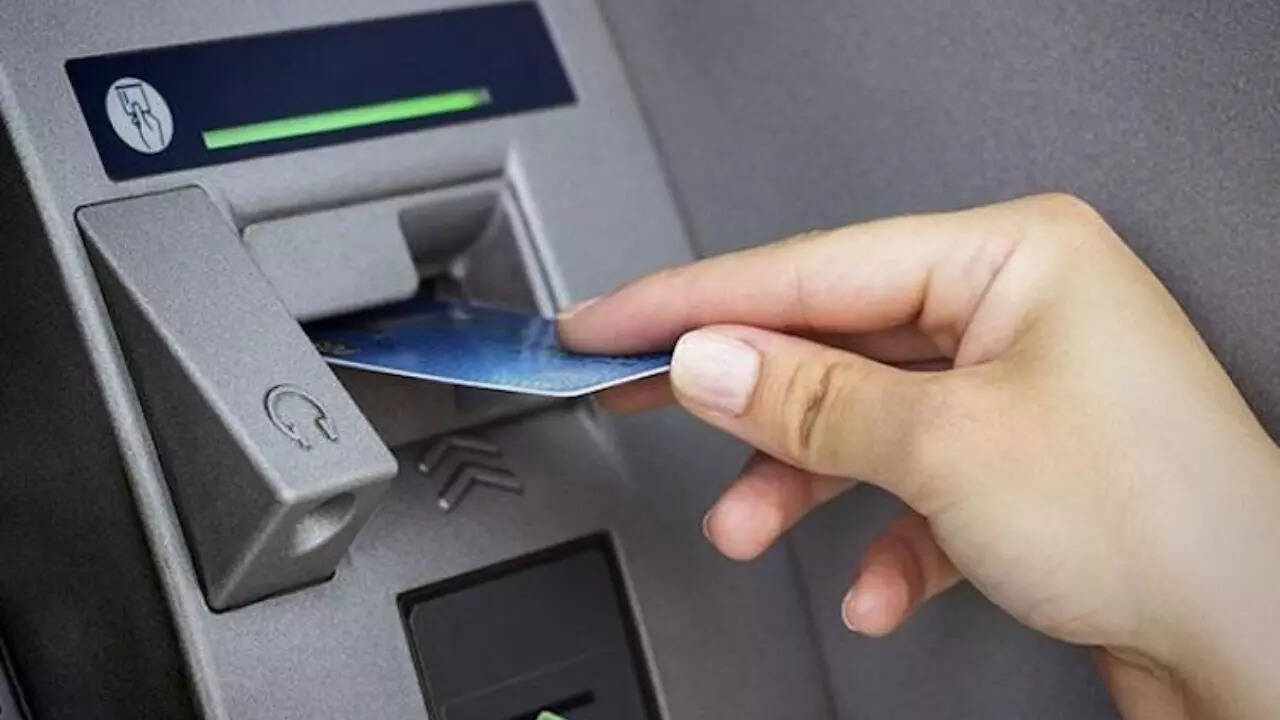
Banks across India are set to roll out a fresh set of ATM rules from April 1, ushering in changes that will directly impact how customers withdraw cash, manage transaction limits and use UPI-enabled services.
The revisions—announced by major lenders including HDFC Bank and Punjab National Bank—reflect a broader push toward digital banking while tightening controls around cash usage.
UPI withdrawals now part of free limits
One of the most significant changes comes from HDFC Bank, which has decided to include UPI-based ATM withdrawals within the monthly free transaction quota. Until now, these transactions were treated separately.
This shift means that customers relying on UPI-enabled cash withdrawals may exhaust their free transaction limits faster, leading to additional charges.
Charges kick in sooner
Under the revised structure, customers who exceed their monthly free transaction limit will be charged Rs 23 per withdrawal, excluding taxes.
Typically, bank customers are entitled to:
Five free transactions at their own bank’s ATMs
Three free transactions in metro cities and five in non-metros at other banks’ ATMs
With UPI withdrawals now included, the effective number of “free” cash access points shrinks.
Withdrawal limits tightened
Punjab National Bank has also revised its daily withdrawal caps for select debit cards. Customers will now be able to withdraw between Rs 50,000 and Rs 75,000 per day, depending on the card category.
This marks a reduction for some users, especially those who previously enjoyed limits of up to Rs 1 lakh. The move is aimed at standardising withdrawal behaviour and strengthening risk management frameworks.
Shift toward cardless cash access
Meanwhile, Jio Payments Bank has introduced a QR code-based cash withdrawal system. This allows users to withdraw money without a debit card by scanning a UPI QR code and authorising the transaction via a mobile app.
The feature highlights the banking sector’s growing emphasis on cardless, digital-first transactions.
A larger strategic shift
Taken together, these changes signal a clear direction for the banking ecosystem:
Gradual reduction in reliance on physical cash
Increased monitoring and pricing of ATM usage
Acceleration of digital and UPI-based financial services
Banks are effectively nudging customers to move away from frequent ATM usage while improving operational efficiency and security.
What customers should watch
With the new rules coming into effect, customers may need to be more mindful of their transaction habits. Monitoring monthly usage, understanding revised limits, and planning withdrawals more efficiently will become increasingly important to avoid extra charges.
The April 1 reset marks more than just a routine update—it reflects a structural shift in how banking services are delivered in India. As digital payments take centre stage, ATM usage is becoming more regulated, making it essential for customers to adapt to the new framework.
