
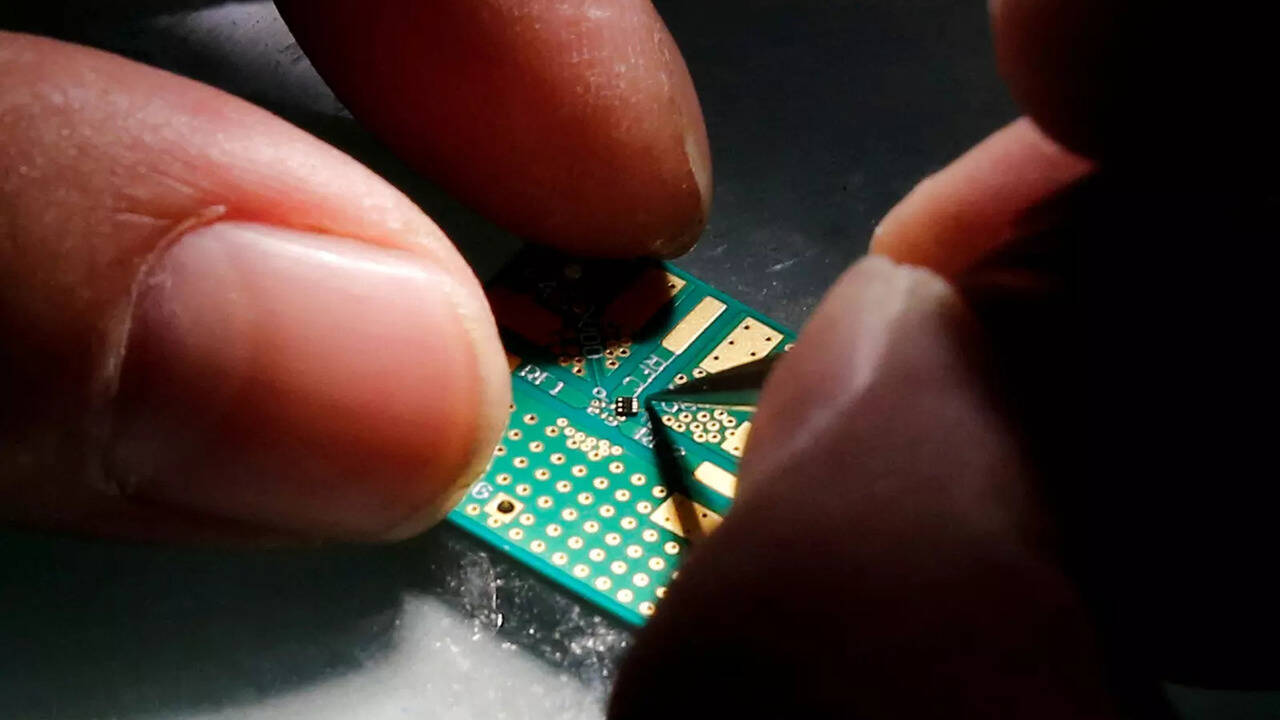
The sharp rise in memory chip prices is creating a widening split across global stock markets, producing clear winners and losers, and investors increasingly believe the pain is far from over. Companies that rely heavily on memory components, from game console makers to PC brands and smartphone suppliers, are seeing their shares come under pressure as costs surge and margins shrink. At the same time, memory chip manufacturers are enjoying a powerful rally, with stock prices hitting record levels.
A Bloomberg index tracking global consumer electronics makers has fallen about 12% since late September, while a basket of memory producers, including Samsung Electronics, has surged more than 160% over the same period. The divergence highlights how central memory pricing has become to corporate earnings and investor sentiment.
Fund managers say the key question now is how long the shortage will last. “Markets are largely pricing in a normalization within one to two quarters,” said Vivian Pai of Fidelity International. “But industry tightness is likely to persist, potentially through the rest of the year.”
Pressure on Hardware and Consumer Tech
The impact is already visible in earnings warnings and share-price declines. Nintendo suffered its biggest drop in 18 months after flagging margin pressure from higher memory costs. Qualcomm shares slid after the chipmaker warned that memory constraints could limit smartphone production. Logitech has lost roughly 30% from its recent peak as rising component costs weigh on PC demand.
Automakers and smartphone manufacturers in China, including BYD and Xiaomi, have also struggled, with investors increasingly wary of prolonged supply constraints.
“Memory prices have moved from a background issue to headline risk,” said Charu Chanana of Saxo. “The market understands supply is tight — what’s now in question is how long this lasts.”
A ‘Supercycle’ Fueled by AI
At the heart of the crunch is what analysts are calling a memory “supercycle.” Massive investment in artificial intelligence infrastructure has shifted production capacity toward high-bandwidth memory used in data centers, leaving less supply available for traditional DRAM and consumer applications.
Spot prices for DRAM have surged more than 600% in recent months, even though demand for end products like smartphones and cars remains subdued. Meanwhile, AI workloads are also boosting demand for NAND storage, pushing costs higher across the memory spectrum.
This shift has made memory makers the standout performers in tech markets. Shares of SK hynix, a key supplier to Nvidia, have risen more than 150% since late September. Japan’s Kioxia Holdings and Taiwan’s Nanya Technology have both jumped around 280%, while Sandisk has gained over 400% in New York.
Why This Time May Be Different
Historically, memory cycles lasted three to four years, swinging between oversupply and shortages. This cycle, however, has already exceeded past norms in both duration and scale.
“We’re not seeing demand momentum softening,” said Jian Shi Cortesi of GAM Investment Management. With AI continuing to absorb capacity and new supply slow to come online, investors are increasingly convinced that the memory crunch will continue to ripple through markets — rewarding chipmakers while squeezing the rest of the tech ecosystem.
